
Distributed Systems Architectures
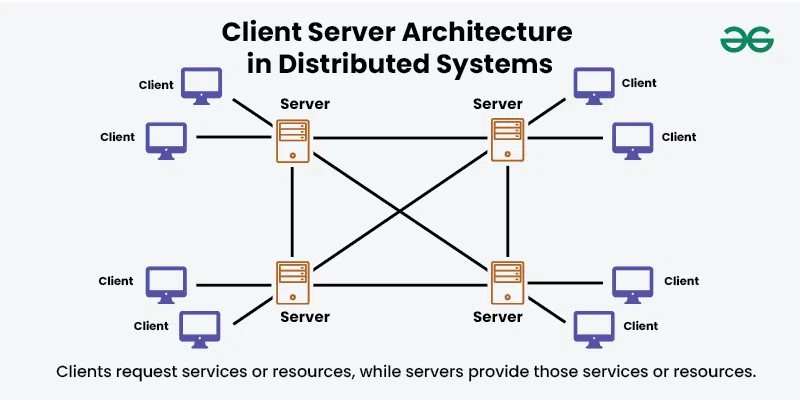
Architectures in distributed systems describe how components are connected, how data is exchanged, and how servers and clients coordinate. The chosen architecture directly influences fault-tolerance, consistency guarantees, latency profiles, and scalability patterns.
Key Concepts
- Connector: The mechanism for communication and coordination between components (e.g., RPC framework, message queue, shared memory, HTTP). The choice of connector constrains latency, ordering guarantees, congestion control, and fault semantics.
- Idempotent: An operation is idempotent if executing it once has the same effect as executing it multiple times.
This is critical in unreliable networks where retries are common.
Example:
PUToverwriting a value is idempotent;POSTappending to a log is not. Idempotency enables retry-on-failure without introducing divergence in replicated state machines. - Shared Data Space: A persistent coordination medium (e.g., tuple space, shared database, or distributed key-value store) that allows components to interact indirectly without direct coupling. This is common in systems requiring eventual consistency or blackboard-style coordination.
1. Traditional / Layered Architectures
- Organize functionality into layers, typically:
- Application Interface Layer (UI): User interaction and presentation.
- Processing Layer: Query formulation, logic execution, business rules.
- Data Layer: Database or storage backend.
- Communication style is synchronous request-response.
- Tightly coupled: changes in one layer can cascade through other layers.
- Scalability is weak due to vertical integration and cross-layer dependencies.
- Suited for monolithic systems with clear, rigid separation of responsibilities.
2. Object Style Architecture
- Components are modeled as objects with encapsulated state and behavior.
- Interactions occur through procedure calls (often synchronous).
- More decoupled than layered style, facilitating modular development and replacement of components.
- Supports parallel and distributed execution across multiple servers.
- Organization tends to be horizontal: scaling is achieved by instantiating additional objects across nodes.
- Provides natural encapsulation boundaries for fault isolation, but RPC overhead can become a bottleneck if not optimized.
3. RESTful Architecture
- Organized around resources identified by unique URIs.
- Core HTTP methods:
GET– Retrieve a resource.POST– Create a new resource.PUT– Update or replace an existing resource.DELETE– Remove a resource.- Stateless: each request includes all necessary information, allowing servers to remain sessionless.
- Scalability is excellent since any server can handle any request without dependency on past interactions.
- Best suited for web APIs, microservices, and large-scale service-oriented architectures.
4. Publish-Subscribe (Pub-Sub) / RTPS
- Asynchronous communication pattern: publishers emit events, subscribers consume them.
- One event may have many subscribers, supporting broad dissemination.
- Topics define communication channels, typically characterized by triples: (name, datatype, quality-of-service).
- Supports persistence: new subscribers can receive historical messages (e.g., durable subscriptions).
- Well-suited for real-time and reactive systems requiring scalability and loose coupling.
- Peer-to-peer topology enables distributed scaling, but requires careful fault-tolerance strategies (e.g., replicated brokers, gossip protocols).
Architecture Comparison
| Aspect | Layered | Object-Style | RESTful | Pub-Sub |
|---|---|---|---|---|
| Dependency | Coupled | Decoupled | Decoupled | Decoupled |
| Communication | Sync | Sync | HTTP (sync) | Async |
| Scalability | Weak | Good (parallelism) | Excellent | Good (distributed) |
| State Mgmt. | Layer-specific | Object encapsulated | Stateless | Minimal state |
| Shared Data | No | Possible | Stateless shared | Yes |
| Organization | Vertical | Horizontal | Horizontal | Peer-to-peer |
| Best For | Simple apps with clear tiers | Modular object-based systems | Web services, APIs | Event-driven, real-time distributed systems |
Computer Vision
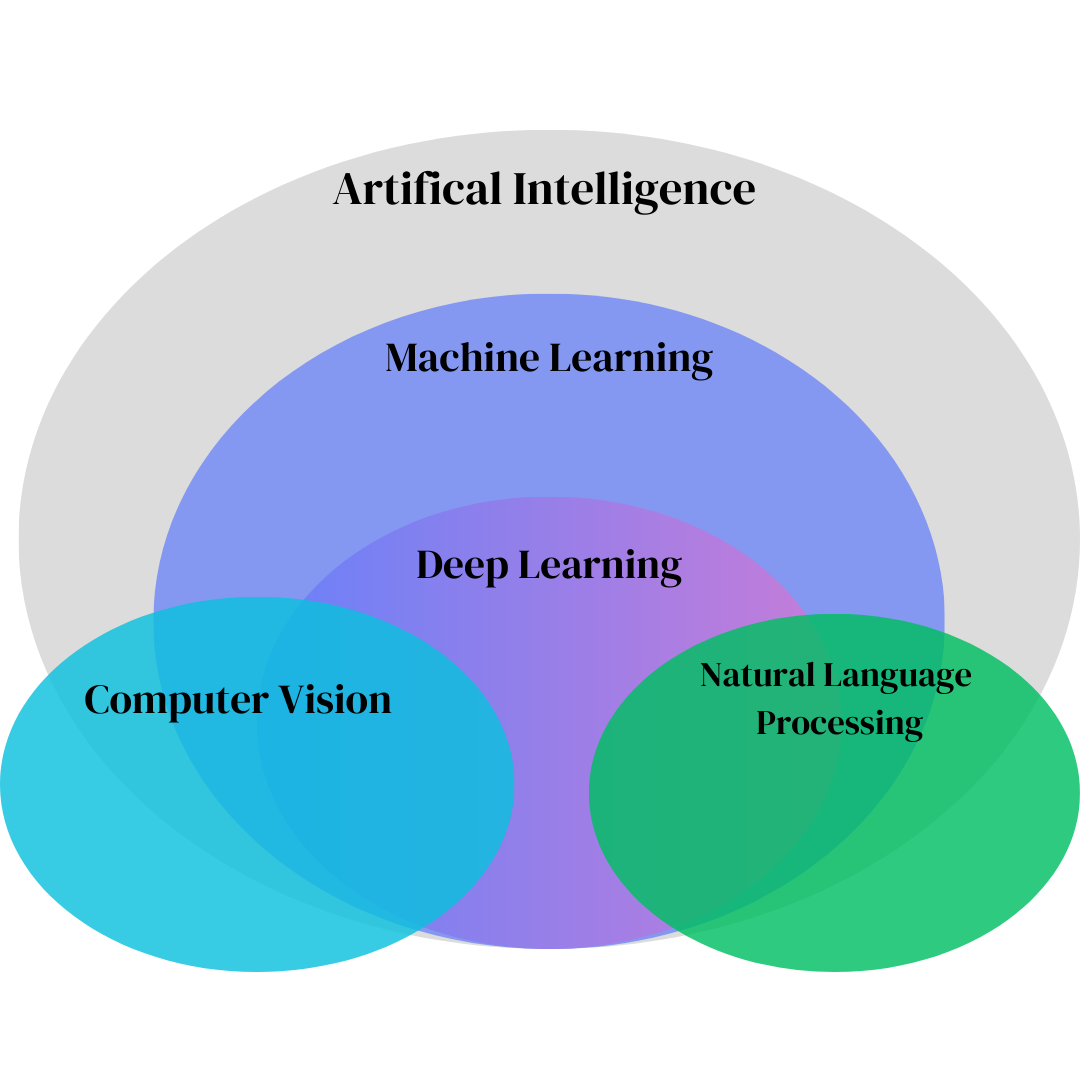
Overview of Computer Vision
Core concepts in computer vision and machine learning
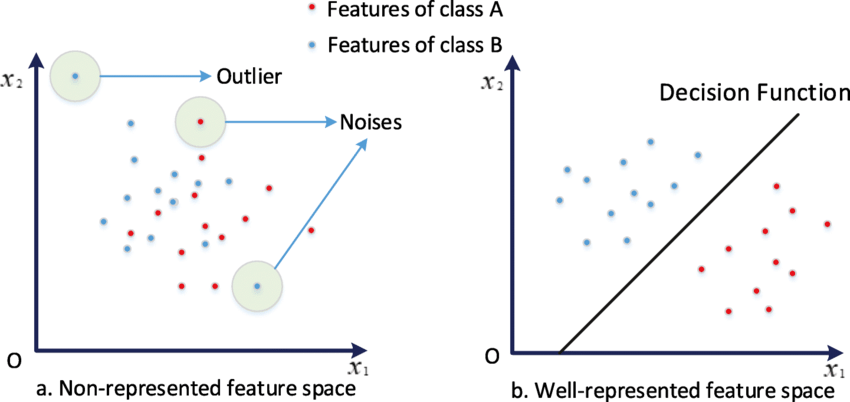
History of Computer Vision
How computer vision evolved through feature spaces
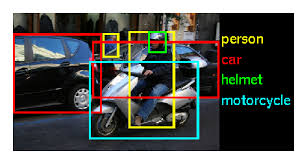
ImageNet Large Scale Visual Recognition Challenge
ImageNet's impact on modern computer vision
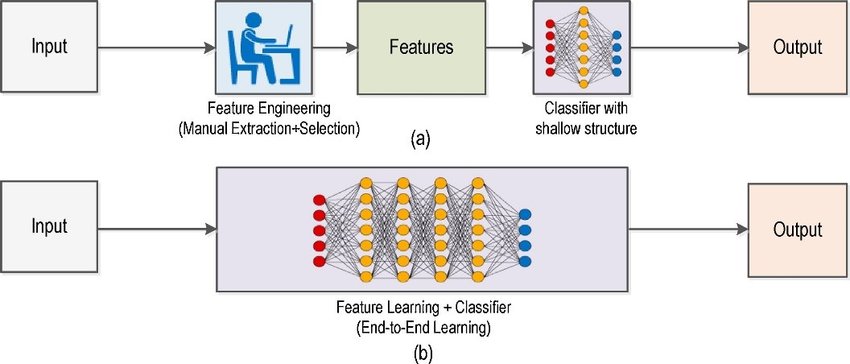
Region-CNNs
Traditional ML vs modern computer vision approaches
Distributed Systems
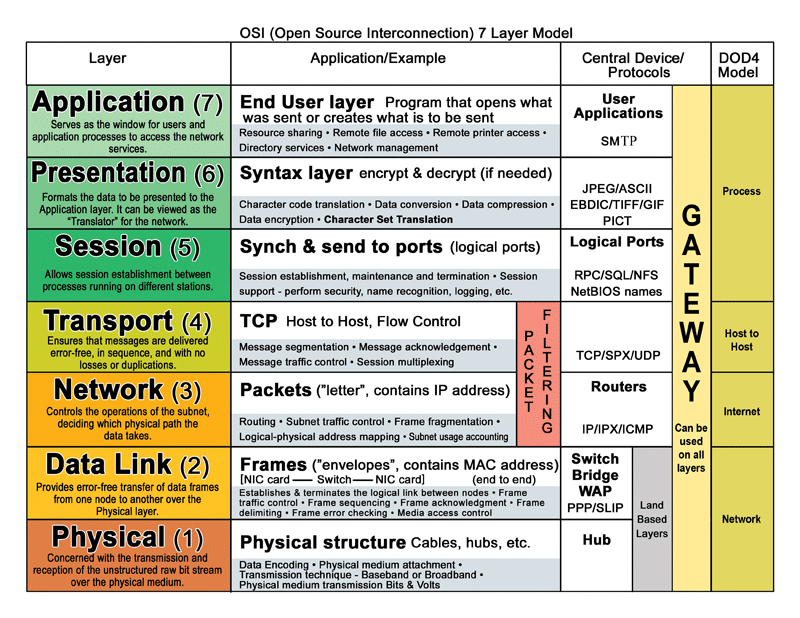
Overview of Distributed Systems
Fundamentals of distributed systems and the OSI model
Distributed Systems Architectures
Common design patterns for distributed systems
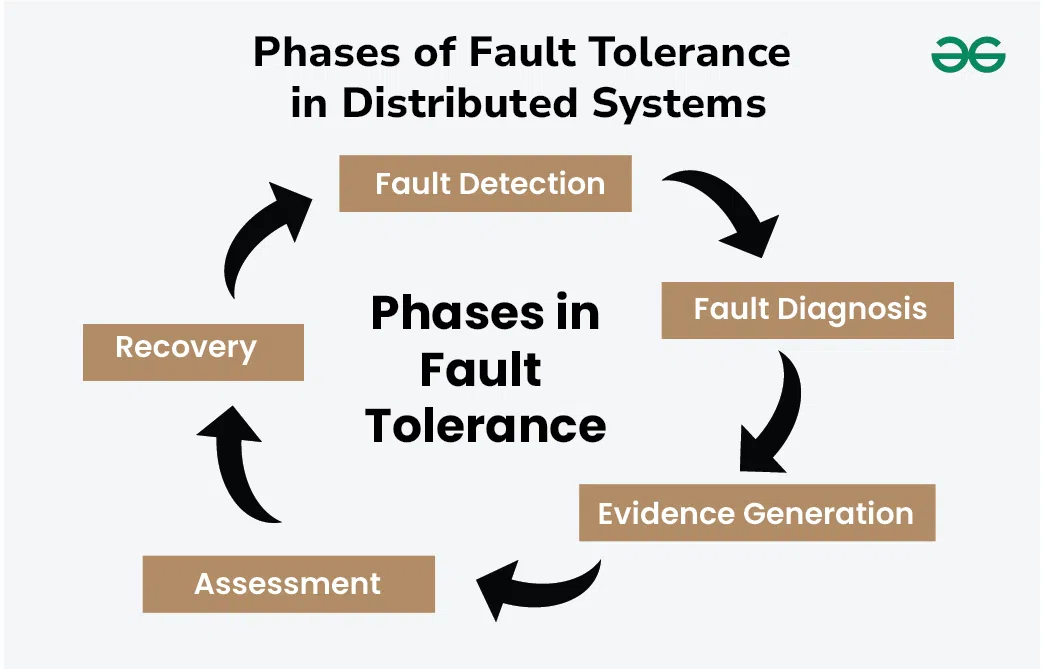
Dependability & Relevant Concepts
Reliability and fault tolerance in distributed systems
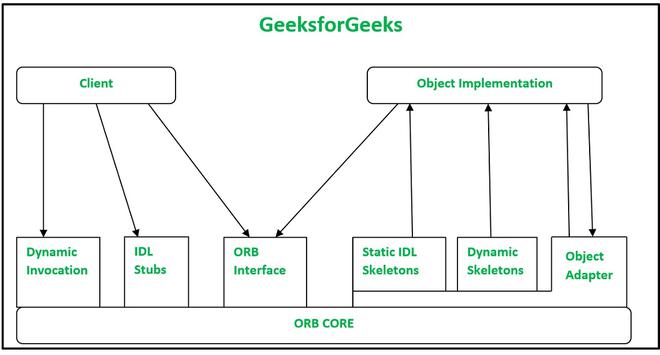
Marshalling
How data gets serialized for network communication
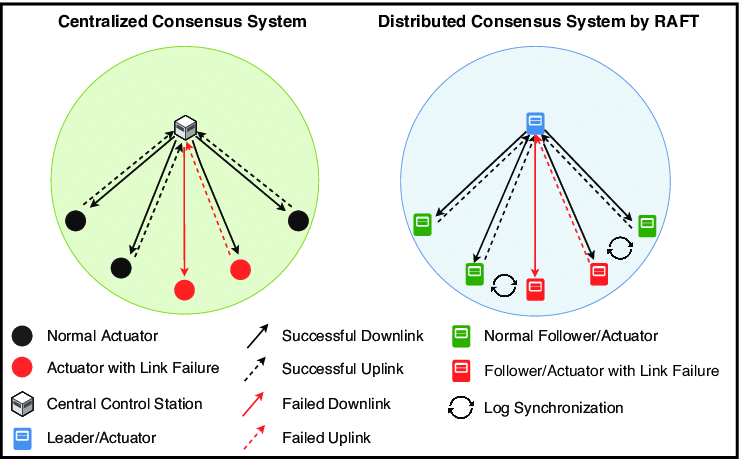
RAFT
Understanding the RAFT consensus algorithm
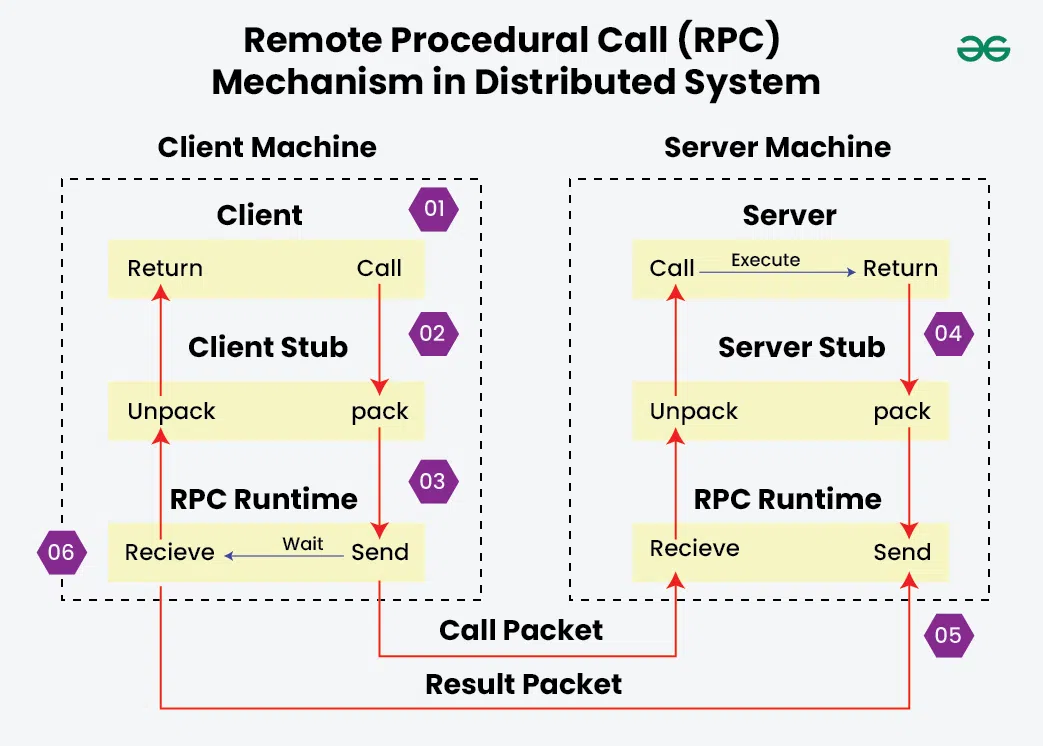
Remote Procedural Calls
How RPC enables communication between processes
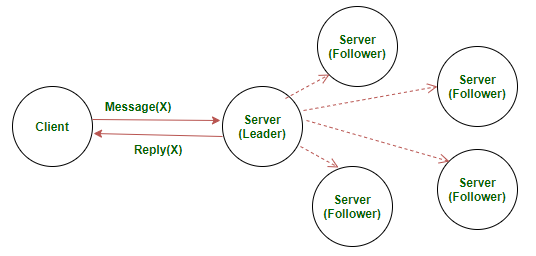
Servers
Server design and RAFT implementation
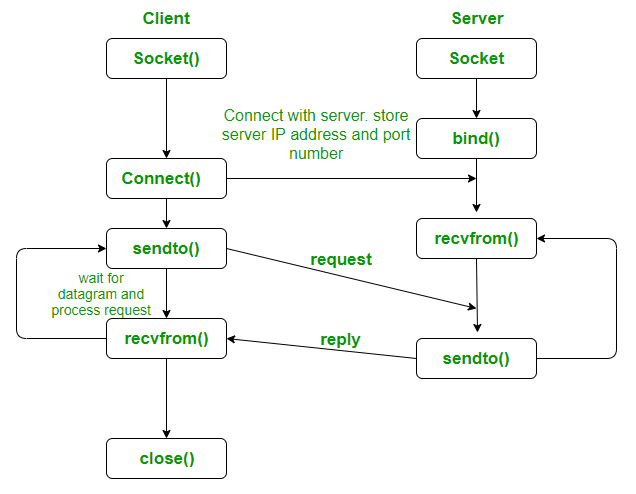
Sockets
Network programming with UDP sockets
Machine Learning (Generally Neural Networks)
Anatomy of Neural Networks
Traditional ML vs modern computer vision approaches
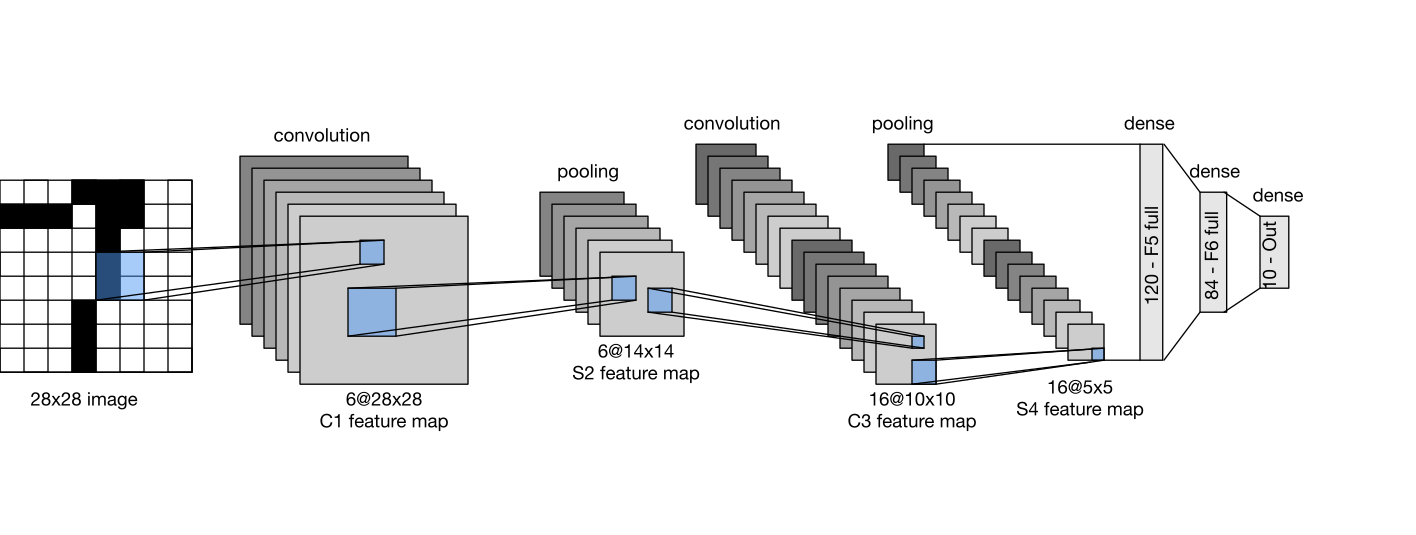
LeNet Architecture
The LeNet neural network
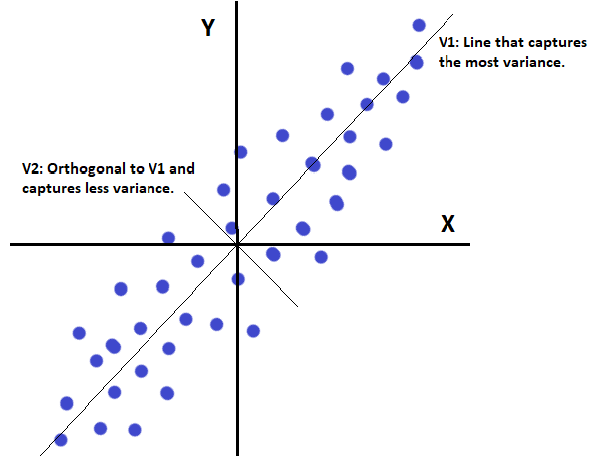
Principal Component Analysis
Explaining PCA from classical and ANN perspectives
Cryptography & Secure Digital Systems
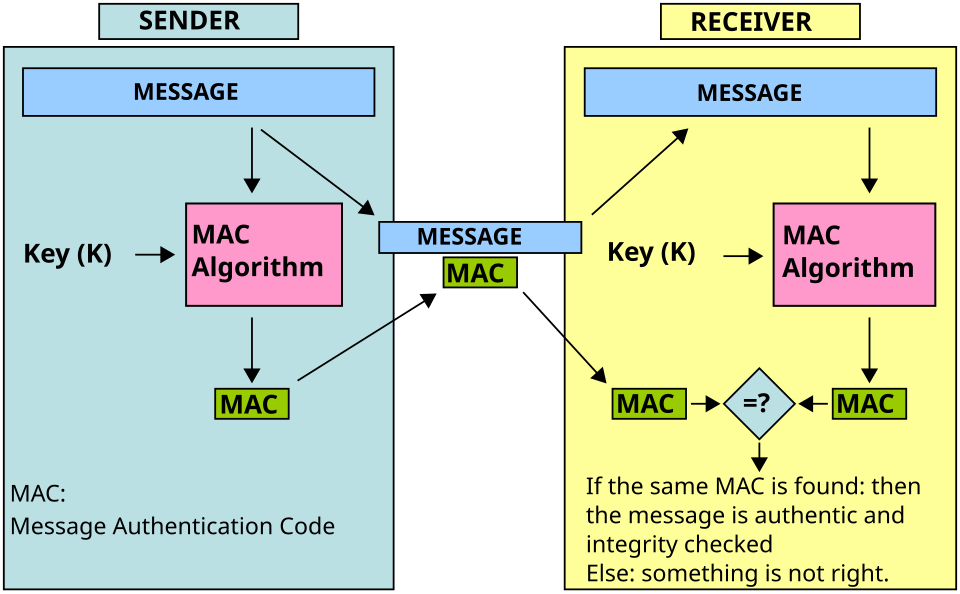
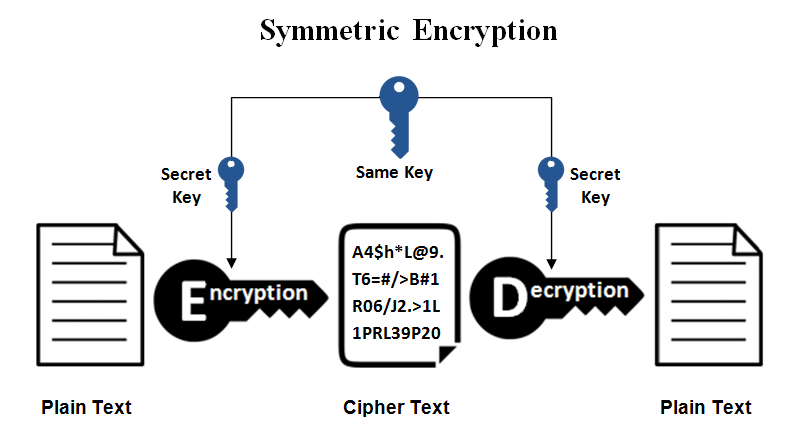
Symmetric Cryptography
covers MAC, secret key systems, and symmetric ciphers
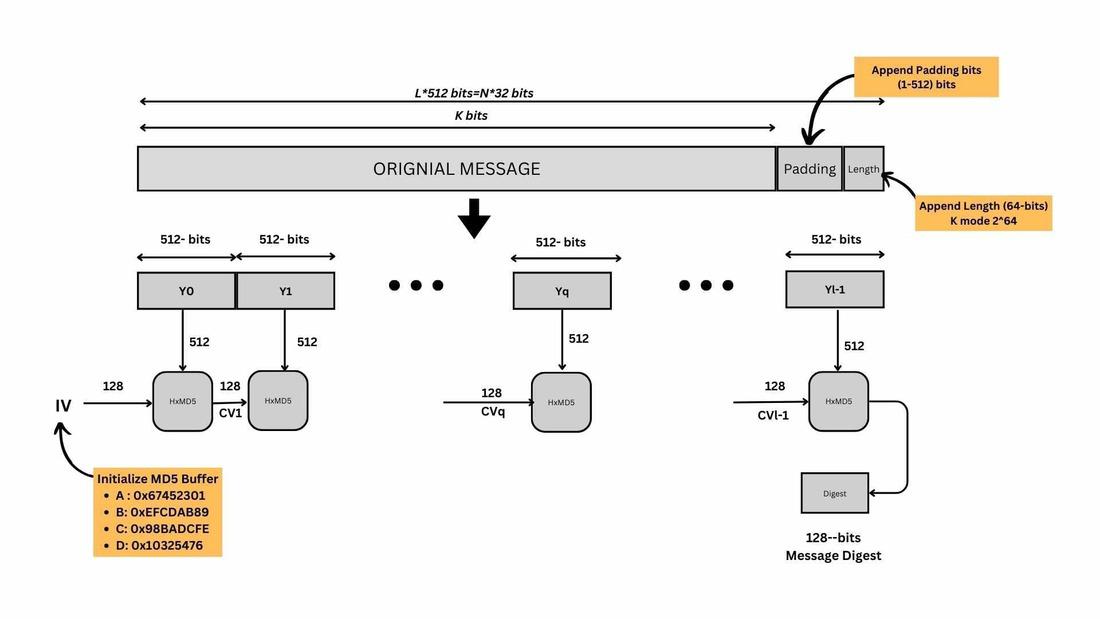
Hash Functions
Hash function uses in cryptographic schemes (no keys)
Public-Key Encryption
RSA, ECC, and ElGamal encryption schemes
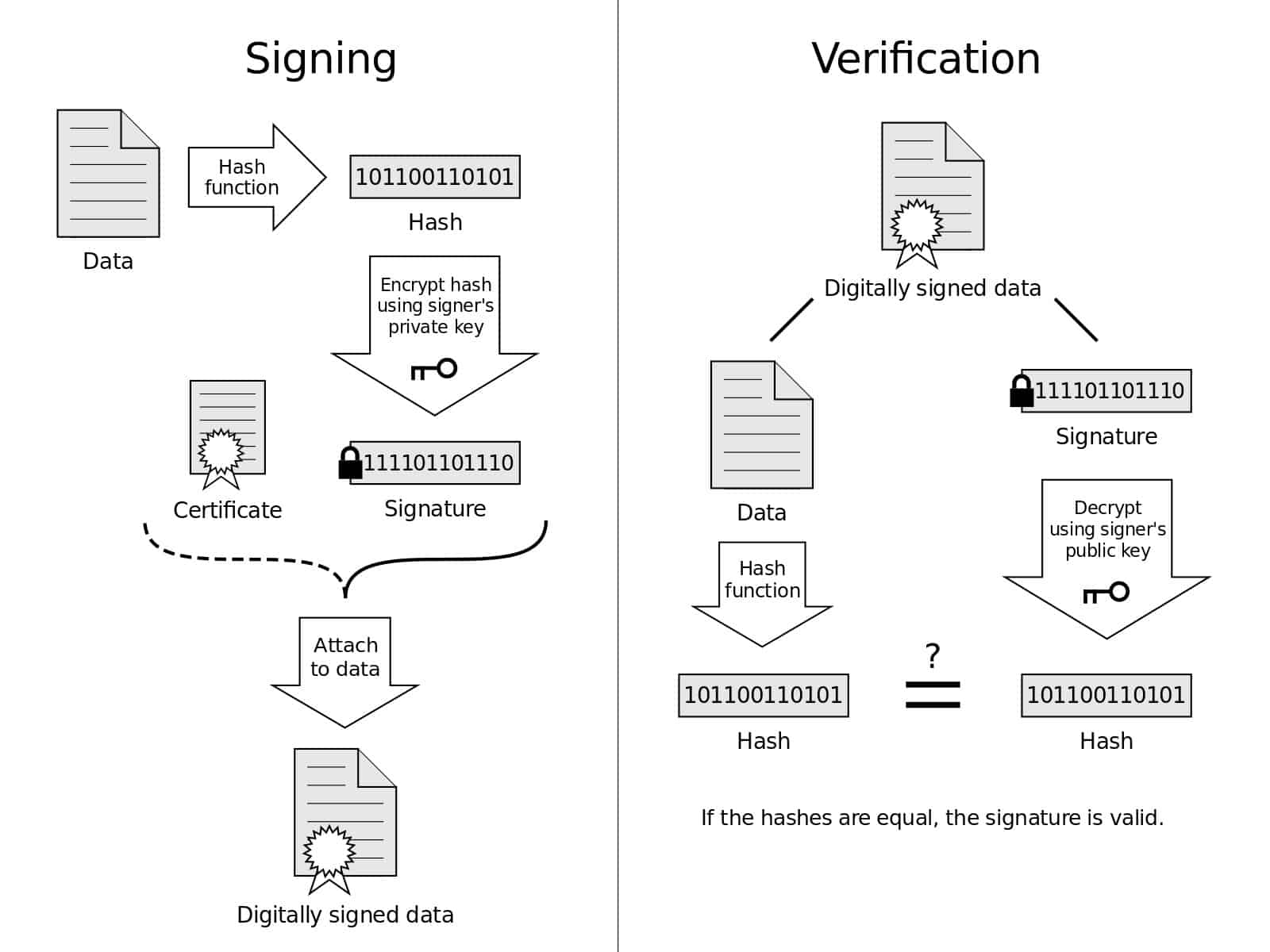
Digital Signatures & Authentication
Public-key authentication protocols, RSA signatures, and mutual authentication

Number Theory
Number theory in cypto - Euclidean algorithm, number factorization, modulo operations
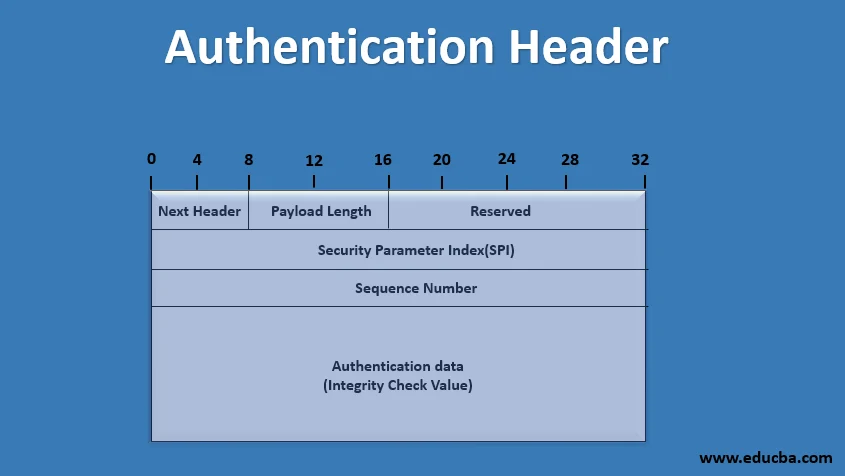
IPSec Types & Properties
Authentication Header (AH), ESP, Transport vs Tunnel modes